Cold Morning, Hot Laps: The Tyre Pressure Log That Beats Guesswork
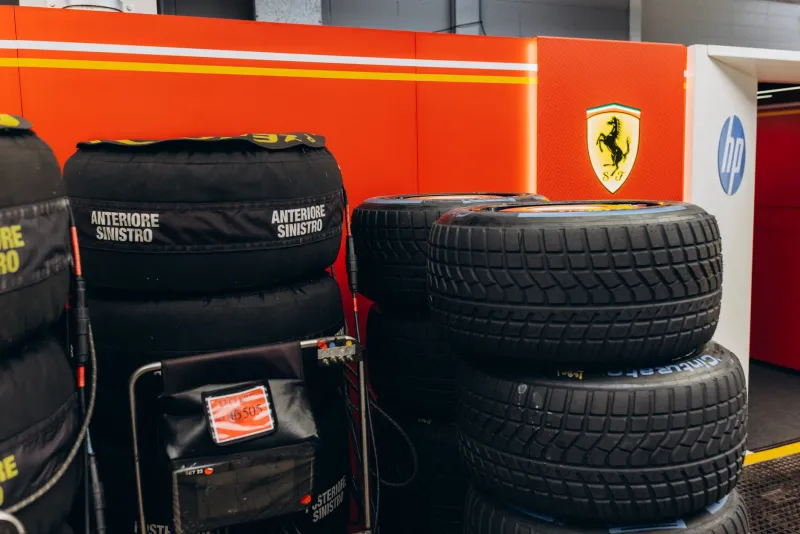
There is a particular kind of optimism that makes a driver set their tyre pressures at 7am in a UK paddock, look at the frost on the trailer and decide that the numbers in the manual are a bit high. So down goes the pressure, out comes the gauge, and by the third session the tyres are rolling over their shoulders and the car feels like it is steering through a sponge. That is the two PSI trap: making a cold-morning correction for a problem that only exists because the track is cold.
Tyre pressure is not a setting you choose once. It is a moving target, especially on a British track day in November. The air is cold, the tarmac is colder, and the weak sunlight that appears after lunch can lift track temperature enough to change how the car behaves without you touching a single click on the dampers. The fix is not a magic number. It is a log, a routine and a bit of discipline.
The pressure you set is not the pressure you drive
A tyre that reads 28 PSI in the paddock at 7:30am is not a tyre at 28 PSI on the third flying lap. As the carcass flexes and the tread works, the air inside heats up and the pressure climbs. On a cold morning at Donington or Oulton, you might see four to six PSI of growth across a session. On a drier, warmer afternoon, it could be more. If you set cold pressures to match a hot target from a summer track day, you have effectively overinflated the tyre before you have even left the assembly area.
The trap is not just the number. It is the urge to react to one reading. You come in, the gauge says 34 PSI, you bleed two out, and the next session feels different. Maybe better, maybe worse. But you have changed the starting condition without recording why. That is guesswork dressed up as setup.
Record the hot number first
The most useful pressure reading is the one you take when the tyre is actually working. Come in from a session, park up, and check pressures within a couple of minutes, before the tyres have had time to cool. Use the same gauge every time, on the same corner, and write it down. Then check the cold pressure next morning or before the next session, along with ambient temperature and, if you have one, a track temperature probe reading.
You do not need a data engineer to do this. A notebook and a cheap probe will do. What you need is consistency. If you check the left front with one gauge and the right rear with another, you are building a log of gauge error, not tyre behaviour.
Build a log that answers questions
A pressure log is only useful if it answers the question you will ask next. That question is usually: what should I set cold for the next session? A simple table does the job.
| Session | Time | Ambient | Track | LF cold | RF cold | LR cold | RR cold | LF hot | RF hot | LR hot | RR hot | Notes |
|---|---|---|---|---|---|---|---|---|---|---|---|---|
| 1 | 08:45 | 6°C | 5°C | 27.5 | 27.5 | 26.5 | 26.5 | 31.0 | 31.5 | 30.0 | 30.0 | Cold track, damp patches at Goddards |
| 2 | 10:10 | 8°C | 9°C | 27.0 | 27.0 | 26.0 | 26.0 | 32.0 | 32.5 | 31.0 | 31.0 | Track drying, still shaded at Esses |
Two sessions in, you can see the growth. You can also see which corner is working harder. If the left front is always two PSI above the right front hot, that is information. It might be circuit layout, it might be driving style, it might be a geometry issue. But you only get to that conversation if you have the numbers.
Adjust between sessions, not mid-panic
Bleeding hot pressures down to a target is a normal track-day move. Doing it because the gauge showed a big number and you did not like the look of it is not. If you are going to adjust, change one thing at a time and write down what you did. If you bleed two PSI out of all four tyres after session two, note it. Then note what the cold pressures were the next morning and what the hot pressures were after session three. That is how you learn whether the car likes a lower hot pressure or whether you just made it feel more planted for one session.
The cold start is where most people get it wrong. Do not set pressures at dawn to the hot target from the previous afternoon. Set them to a cold baseline that you know produces the hot pressure you want, based on your own log. If you do not have a log yet, start conservative. A couple of PSI high is usually easier to manage than a tyre that is rolling over because you chased a number in the cold.
November is a pressure test in itself
This month is a good teacher because the conditions move so much. A clear, cold morning can leave shaded corners at Brands or Cadwell feeling completely different from the sunlit sections. The air is denser, the track takes longer to warm, and the first session is often a write-off for meaningful pressure data because the tyre is still coming up to temperature. Use it as a scrub session, not a setup session.
By the afternoon, the same car on the same pressures can feel sharper or edgier simply because the track has warmed. That is not a reason to start turning knobs. It is a reason to write down the track temperature and note how the car behaved. The log turns that from a vague memory into a pattern.
The repeatable grip target
A good pressure log does not make you faster on its own. What it does is remove one variable from the equation. You stop wondering whether the car felt vague because the dampers are wrong, the tyre is overinflated, or the track is cold. You check the sheet. You see the hot pressures. You make a small, recorded adjustment. Then you go back out and drive.
That is the real antidote to the two PSI trap. Not a perfect number, but a repeatable process. Cold morning, hot laps, changing weather and all.