Stop Buying Power: The £500 Setup Audit That Finds Real Lap Time
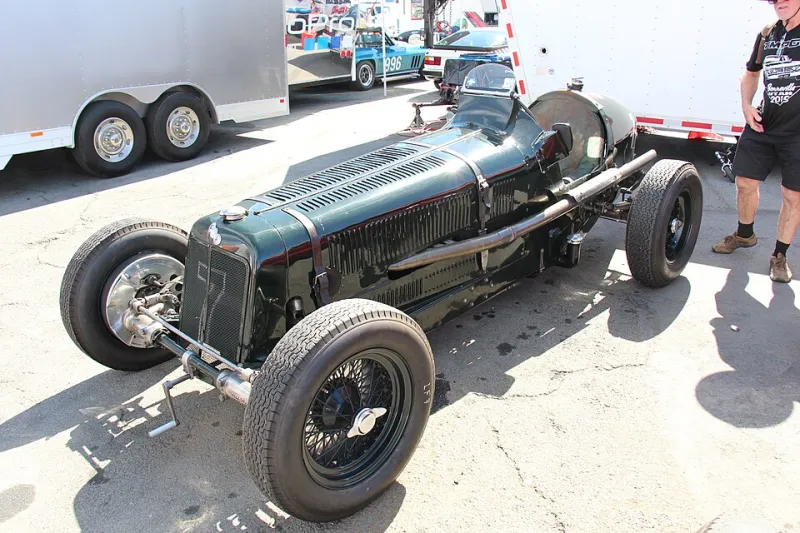
Photo: Sicnag, CC BY 2.0, via Wikimedia Commons
There is a moment in every clubman’s season when the answer feels obvious: the car needs more power. A new intake, a remap, a shiny exhaust manifold. It is measurable, it sounds expensive and it gives you something to talk about in the paddock. The problem is that most UK amateur racers do not lose two seconds a lap because the engine is down on power. They lose it because the car is not using the grip it already has.
This is the contrarian bit. Before you buy another go-fast part, spend £500 on a setup audit. Not a set of stickers. Not a carbon scoop. A proper, boring, variable-removing audit of the things that actually connect the car to the track.
Why another power part is usually the wrong answer
Power is easy to sell because it is easy to understand. But on a typical UK track day or sprint venue, you spend far more time in corners, braking zones and transitions than you do at peak revs. If the alignment is out, the tyre pressures are guessed, the brake fluid is old and the dampers are tired, you are leaving time on the table in every one of those phases.
A peaky engine upgrade might give you a couple of car lengths on the main straight. A proper setup can give you a few mph at the apex of every corner, a more stable brake pedal and a car that repeats lap after lap. That is where the real gains live.
The £500 spending order
Prices vary by car and by garage, so treat this as a priority list rather than a fixed invoice. The point is to remove variables in the right order.
1. Fresh brake fluid and a proper bleed — £50 to £70.
Old fluid absorbs moisture and gives you a soft, inconsistent pedal. On a track day, that makes braking a guessing game. Fresh DOT4 fluid and a careful bleed is the cheapest consistency upgrade you can buy. It also forces you to check the calipers and lines, which is never a bad thing.
2. An accurate tyre pressure gauge and a notebook — £20 to £40.
Stop using the garage forecourt gauge. Buy one you trust, write down cold and hot pressures, and note the ambient temperature. If you can stretch to a probe pyrometer, do it. Tyre temperatures tell you more about alignment and pressure than any internet forum.
3. A proper alignment — £120 to £180.
This is the big one. A full geometry check and adjustment will tell you whether the front toe is fighting you, whether the rear is crooked and whether the camber is sensible for the tyre you run. It changes turn-in, mid-corner balance and how the car uses its tyres. It is not glamorous. It is usually faster than a sticker.
4. Corner weighting or a damper service — £150 to £250.
Here the order depends on the car. If you have adjustable spring perches, corner weighting can make the car consistent left to right and front to rear. If your dampers are original and tired, skip the corner weighting and put the money towards a service or rebuild. A car that pogoes over crests and kerbs will never feel confidence-inspiring, no matter how well it is aligned.
What each item actually changes
Brake fluid changes the feel and repeatability of the pedal. It does not make you stop faster in a straight line, but it lets you brake later with confidence because the pedal is where you left it.
Tyre pressure and temperature discipline changes the size and shape of the contact patch. It also tells you whether the car is working the outside shoulder too hard or running too little pressure. This is free lap time if you pay attention.
Alignment changes the balance of the car. More front camber can help turn-in but hurt braking. More rear toe can stabilise the car but add drag. The right numbers depend on the car and the driver, which is why a proper check is worth more than a copied setup sheet.
Corner weighting changes consistency. If one corner is carrying more weight than it should, the car will behave differently in left and right-handers. That is frustrating at a place like Blyton or Curborough, where you need the car to switch direction predictably.
A damper service changes body control. Fresh dampers keep the tyre loaded over crests, kerbs and braking zones. They make the car feel calmer, which usually makes the driver braver.
The before-and-after test plan
Pick a UK track day or sprint venue you know well. Use the same tyres, the same fuel load and, if possible, the same time of day. Do not change three things at once. You want to know what worked.
Start with a baseline session. Check cold pressures, do three clean laps and record hot pressures and temperatures immediately after you come in. Do not chase the fastest lap; look for the average of your clean laps and note where the car felt nervous or pushy.
Make one change. If you are doing the £500 audit, start with brake fluid and pressures, then alignment. Go back out and repeat the same three clean laps. Compare the average, the minimum speed in the corners and the driver comments. If the car feels more stable but the lap time is the same, that is still a win — consistency usually turns into lap time later.
Use a notebook, not your memory. Write down the tyre pressures, the weather, the changes and the comments. A simple log will teach you more than another forum thread.
The contrarian bit
A shiny intake might add a few brake horsepower at the top of the rev range. A proper setup audit can add confidence at every corner, every braking zone and every crest. For most clubman racers, that is the difference between a good day and a frustrating one.
The £500 does not have to be spent all at once. Spend it in the order that removes the biggest variable first. If your brake fluid is two years old and your alignment has never been checked, you already know where to start. The engine can wait. The stopwatch will thank you.