Pass the Meter, Keep the Pace: A 2026 UK Noise-Test Playbook
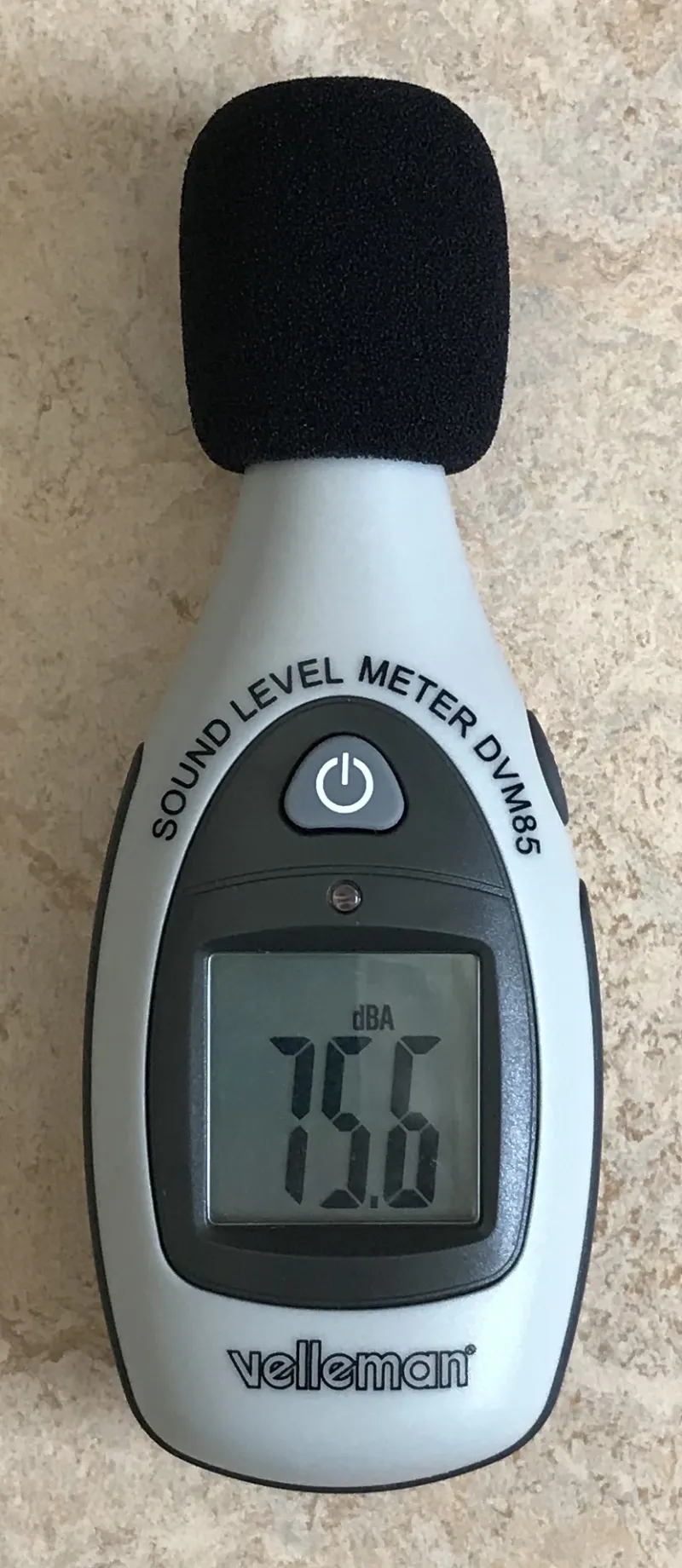
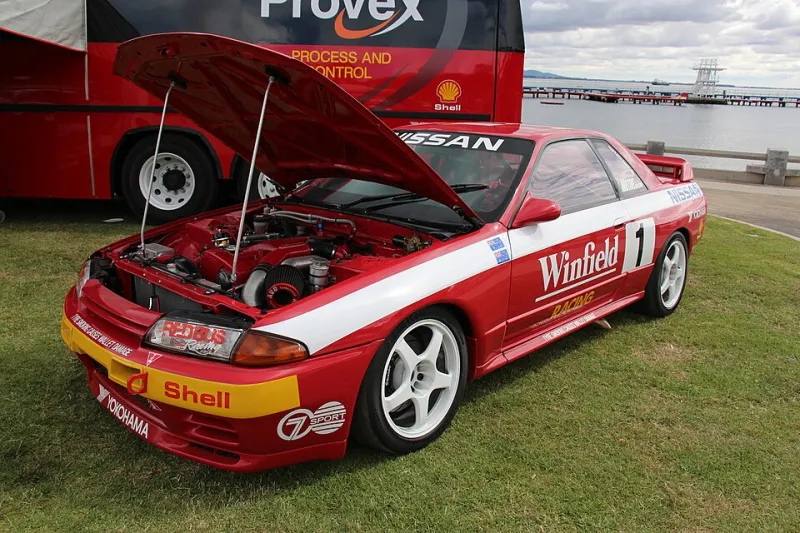
Photo: Jin Zan, CC BY-SA 4.0, via Wikimedia Commons
There is a special kind of misery in being sent home before the sighting laps. You've paid, you've trailered, you've queued at the gate in the dark, and a man with a meter at 0.5 metres has ended your day before the tyres are warm. Noise is the cheapest possible way to fail a track day and the most avoidable, and yet it catches out the same people every season.
This isn't about making your car slow and quiet. It's about making a car that passes comfortably and still goes. Here's the playbook.
1. Know the number before you load the car
UK venues publish limits, and they are not uniform. Static tests are usually taken at around 0.5 m from the outlet at a set angle, at a specified engine speed (often three-quarters of peak power revs, sometimes a fixed figure). Drive-by limits are measured by roadside microphones as you accelerate past a point on circuit.
Broadly, static limits across UK circuits sit in the 98 to 105 dB(A) bracket, with Bedford Autodrome the famous outlier at around 87.5 dB for both static and drive-by. Goodwood and Donington sit at the stricter end; several MSV circuits run higher static figures but tighter drive-by enforcement depending on the layout and the day. Club events can be stricter than a general test day, and a quiet-day booking may be quieter still.
So: check the venue's current published limit, then check the specific event's supplementary regulations, then check again the week before. Limits get revised, and the number you remember from three seasons ago is not a defence at signing-on.
2. Static and drive-by are two different exams
This is where most people get caught. A static test examines an exhaust at a fixed rpm while the car is stationary. A drive-by test examines a car under load, in motion, at one specific point.
You can pass one gloriously and fail the other. Static failures are almost always the exhaust: silencer packing, valve position, a leaky joint. Drive-by failures are usually intake noise, exhaust volume under load when a valve opens, gearing, or simply the fact that you're holding a gear past the microphone when you didn't need to. Diagnose the right exam before you start buying parts.
3. The pre-event checklist
- Valve behaviour. If you've got a switchable exhaust, find out exactly what opens it and when. Vacuum-operated flaps often crack open at a threshold that sits right at, or just below, the static test rpm. That's a fail waiting to happen.
- Hot versus cold. Some systems get louder as they heat up. Test hot.
- Intake. An induction kit can dominate the reading between four and six thousand revs under load. It sounds brilliant in a tunnel and costs you a session at Snetterton.
- Leaks and rattles. A tired manifold gasket adds a rasp that reads high and sounds like a bigger problem than it is.
- Tyres. Some semi-slicks are genuinely loud and contribute to drive-by readings at certain venues.
- Loose bits. Undertrays, exhaust hangers, heat shields. A buzzing bracket can push a marginal car over.
- Kit. Spare bolts, cable ties, a bung or insert, and a basic meter if you have one. Phone apps are a rough guide at best, but they'll tell you if something has changed.
4. What actually moves a reading
Exhaust valve position is the big one. Silencer packing condition is the second: a well-used can gets louder as the fibres burn out. After that, intake resonance, the gear you're in at the mic, and how much throttle you're carrying when you pass it.
Session timing matters more than people think. Air temperature and density affect how the car breathes, and circuits often place their drive-by mics where you'd least like them. Marshals will usually tell you where the meter is if you ask politely at briefing. That single question has saved more laps than most setup changes.
5. If you fail: fixes in order of effort
- Change your driving. Short-shift before the mic, lift a fraction earlier, take the outside line away from the meter where it's legal and safe to do so. Free, instant, and often enough.
- Fit a bung or insert. Cheap, reversible, costs you a little top-end flow.
- Repack or replace the silencer. The honest fix, and often cheaper than expected.
- Add a resonator or second silencer. Effective, but plan the packaging properly rather than clamping something on the night before.
- Reinstate the standard airbox. Boring, quiet, and usually loses you nothing measurable on a track day.
- Book a different venue. Not a fix, but a legitimate tactical decision if your car is fundamentally loud.
6. A sample noise plan for the 2026 season
February, at home. Borrow or buy a meter. Measure at the venue's specified rpm, at their angle and distance, with the engine hot. Write the number down. Do it again after any exhaust work.
Two weeks out. Re-read the regs. Confirm valve behaviour with the car hot and stationary. If you're marginal, book a local static test or get a friendly MOT station to check it.
Day before. Torque the exhaust joints, check hangers, pack the bung and the tools, and put a note on the dash with the limit written on it.
Morning of. Arrive early enough to warm the car properly before the test. Cold oil and a cold exhaust can read differently. Note ambient temperature in your logbook.
First session. Drive conservatively and identify where the drive-by mic sits. Adjust gear selection there before you adjust the car.
After the day. Record the setup, the reading you got and the conditions. Next time you'll know whether you're comfortable or living on the edge.
7. The quiet car is usually the quicker one
A car sitting right on the noise limit is usually on the limit of something else: an exhaust that's had a hard life, a map that's all top-end, a driver relying on noise instead of progress. Building in margin costs you very little in real lap time and buys you a whole season of not being sent home at breakfast. Pass the meter with room to spare, then get on with the bit you actually came for.