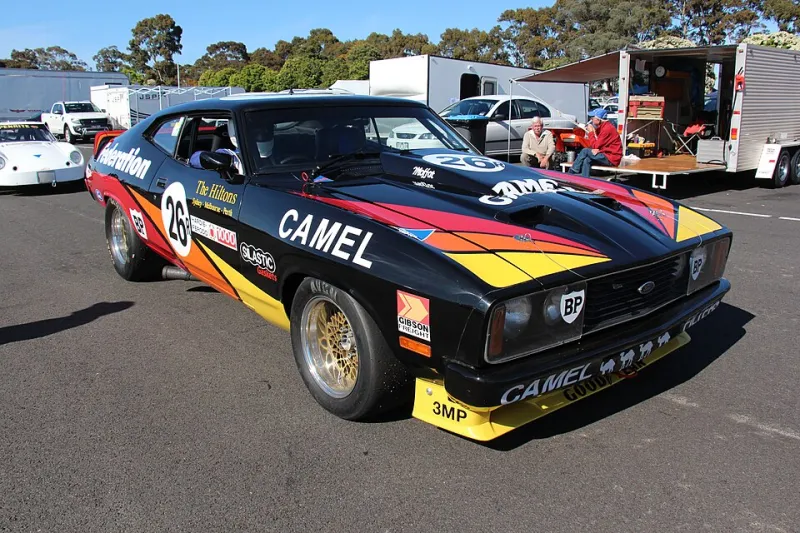
The Paddock Reset: Fifteen Minutes to Find Your Missing Grip
Photo: division, CSIRO, CC BY 3.0, via Wikimedia Commons
You come in after a session, helmet off, and deliver the classic line: it feels wrong. Not undriveable, not broken, just wrong. The temptation is to start pointing at dampers, geometry or a fresh set of tyres. Before any of that, give the car fifteen minutes of boring, methodical attention. Most poor sessions are not deep mysteries. They are a handful of known variables that have quietly moved away from where you thought they were.
Start With the Driver, Not the Car
It sounds almost too simple, but shared track cars and driver swaps are a staple of UK track days. Seat position, belt tension, steering-wheel reach and pedal access can all change between sessions. If you are bracing against a door card or stretching for the brake pedal, you will misread the car’s balance and your own inputs. Reset the seat, check you can operate the pedals cleanly, and make sure the belts are holding you in the seat rather than pinning you against it. Two minutes here can explain a surprising amount of inconsistency.
Tyre Pressures and Pickup: Your First Real Data
Use hot pressures, not the cold numbers you set at home. Record them properly. Look at the tread or shoulder for pickup, graining or unusual wear. If one side is much higher than the other, ask why before you adjust anything. UK ambient conditions are a moving target, and a damp morning at Brands Hatch can leave you chasing pressures that made sense in dry, warmer conditions at Snetterton. Reset to a known cold baseline, write down what you started with, and change one thing at a time. Internet pressures are not a setup sheet; they are someone else’s compromise.
Brake Feel and Wheel Torque
A spongy pedal, a long pedal or a pedal that changes during the session deserves attention. Check fluid level and condition, look for pad deposits or glazing, and make sure the brakes are not simply hot. Then check wheel torque with the car cold. A loose wheel or uneven torque can feel like vague steering, odd braking or general nervousness. It is a five-minute check that saves a lot of guesswork. If the brake feel is inconsistent, stop evaluating the chassis until it is consistent again.
Ride Height, Fuel Load and the Damp UK Day
Fuel load changes ride height and weight distribution. A car evaluated on half a tank is not the same car you drove in the first session on a full tank. If you are comparing setups, compare them at similar fuel loads. Also respect the conditions. Damp patches, cold tarmac and low ambient temperatures will reduce grip without anything being wrong with the car. A UK track day in November is not the same test bed as a warm June afternoon. Reset the fuel load, check ride height if you have adjustable platforms, and note the ambient and track conditions on the same sheet as your pressures.
The Fifteen-Minute Sequence
Give yourself a structure rather than a random poke around the car. Two minutes on driver position and belts. Four minutes on hot pressures, cold baseline and tyre condition. Three minutes on brake feel and fluid. Three minutes on wheel torque. Three minutes on fuel load, ride height and a quick note of ambient and track conditions. That is your reset. It is not glamorous, but it removes the variables that most often create the feeling of a car that has gone off.
If the car still feels wrong after that, you have earned the right to look at setup. But start with the known stuff. The paddock reset is cheaper than a set of dampers, and it is usually faster to complete than the queue for the burger van.