You've Done 400 Laps of Snetterton on the Rig. Here's What Survives Contact With the Tarmac
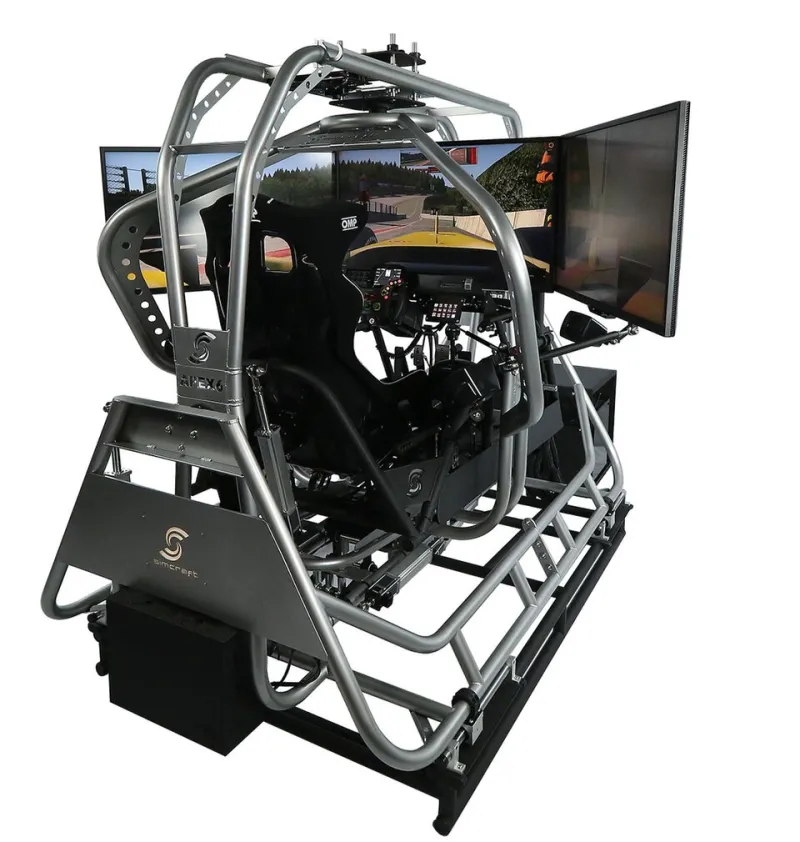
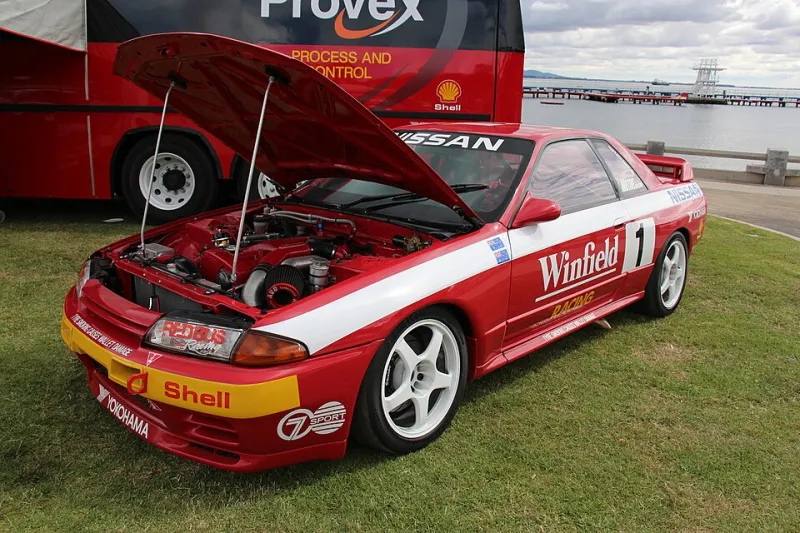
Photo: Spmacdaddy, CC BY-SA 4.0, via Wikimedia Commons
Every winter, a lot of us do the same thing: buy a wheel, subscribe to a service, and pound out lap after lap of Snetterton 300 from the spare room. By March we know the place. We know the long drag down to Riches, the interminable wait into Montreal, the way the circuit stretches out through Palmer and Agostini, the double-apex rhythm of Williams and Nelson, and the squat-and-brake into Brundle before Sear sends you back down the straight.
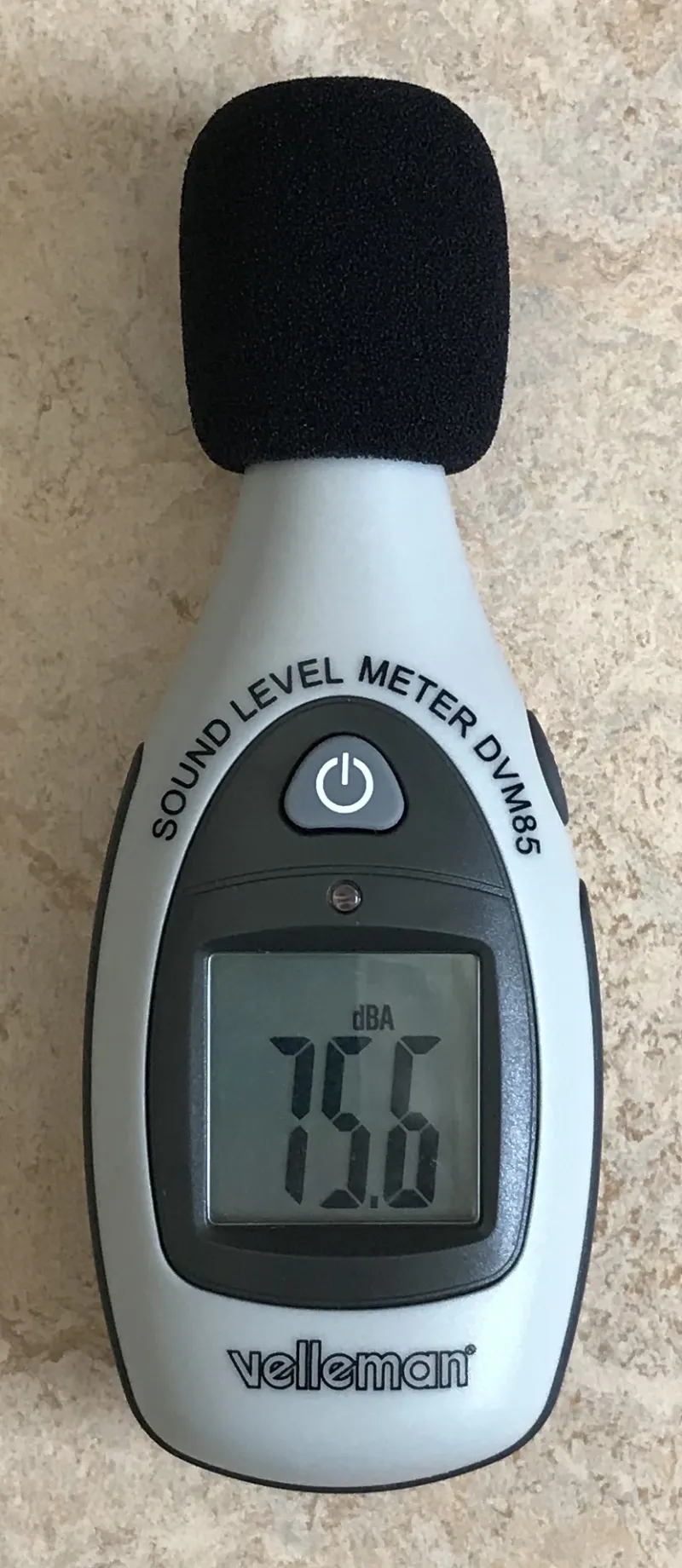
None of that is wasted. But a rig in a spare room at 22 degrees and a real Norfolk airfield in November are two different syllabuses, and it pays to be honest about which parts of your sim education will hold up when you're sat in a real car with cold tyres and a noise meter watching.
What genuinely transfers
Vision. This is the big one, and it's the reason good sim drivers often look composed on their first real laps. The rig forces you to look past the bonnet, to pick references off the kerbs and the vanishing point rather than the dashboard, and to keep your eyes moving two corners ahead. That habit is worth more than any setup trick you'll read this month.
Sequence. Sims teach procedure: belts, mirrors, out-lap, warm-up, build, push, cool-down. Track days reward exactly that discipline, and the drivers who arrive with a routine tend to be the ones who aren't still fiddling with their seat while the session goes green.
Brake release, not brake point. If you've run a load-cell pedal, you've already learned the shape of a braking trace — hard initial, long bleed, off smoothly. The shape transfers. The marker doesn't. That distinction matters enormously at somewhere like Montreal, where the real braking board arrives at a speed your monitor never quite communicated.
Mental rehearsal. Knowing which way the next corner goes frees up an enormous amount of attention on lap one. Use it.
Where the rig quietly inflates your confidence
The trouble with simulation is that it is consistent. Your rig's tarmac does not have a damp patch under the trees at the exit of Nelson. It does not get greasy after a hundred cars have dragged rubber onto the braking zone. It does not cool down four degrees between your second and third session because the cloud came over.
Snetterton is an exposed, largely flat airfield circuit, and that exposure is the point: wind, surface temperature and the morning's rubber all shift what the car will do. Your sim has one surface. Norfolk has several, and they change their minds.
Then there's the feedback. A decent sim gives you force feedback, tyre audio and a slip angle you can see. What it doesn't give you is yaw through the seat, the pitch of the chassis under braking, the particular noise a tyre makes two tenths before it lets go, or the smell of hot brakes. Those missing channels are exactly the ones that tell you to back off.
And finally, consequence. In the sim, a lock-up costs you a tenth and a tut. On the day, it costs you a flat-spot, a vibration for the rest of the session, and possibly a trip to a tyre fitter. The absence of that weight on your decisions is what makes sim braking so wonderfully brave and so frequently wrong.
There's a subtler one too: session length. Most of us sim-race in sprints with fresh rubber. Real track days are twenty-minute chunks where the pressures climb, the fronts go off first, and the last three laps of a session feel nothing like the first three.
Three drills to bridge the gap
Drill 1 — The naked lap
Turn off the delta, the tyre app, the fuel overlay, everything. Drive ten laps on vision and sound alone, then write your references down on paper: braking board, turn-in, apex, exit. Take that card to the circuit. Do one slow reconnaissance lap and, if the track day allows, a track walk. Correct the card by hand. The point isn't the card — it's that you arrive with an explicit, falsifiable set of references rather than a vague feeling of knowing the place.
Drill 2 — The release ladder
Pick one heavy braking zone in the sim — Montreal is perfect. Run five laps braking at the board, five releasing early, five releasing late, and note what the car does in each case. You're training the release, not memorising a distance. On the day, spend your first three laps braking at roughly eight-tenths and feel where the car actually wants to stop. Then move the marker, not the pedal.
Drill 3 — The twenty-minute stint
Run a full session-length stint in the sim with tyre pressures and temperatures on screen, and don't reset the car. Watch the pressure rise and the balance drift. Then, on the day, treat session one as data collection: note the pressure rise from cold to hot and adjust your cold set for session two. That single habit will do more for your consistency than another fifty sim laps.
The honest summary
Sims make you a better student of a circuit. The circuit makes you a better driver. Bring the study, leave the certainty in the bag, and give yourself permission to be a beginner for the first ten minutes — because that's exactly what the first ten minutes are for.